A Lap Edge Lifting
- You See
A seam edge curling up where the adhesive has dried out.
- What It Means
One open lap usually means the laps beside it are aging too. Probing the whole run before the visit puts every weak lap on one list.

Clarkdale commercial roof repair for flat and leaking roofs, planned around the town permit so seam, flashing, and drain fixes happen in one visit.
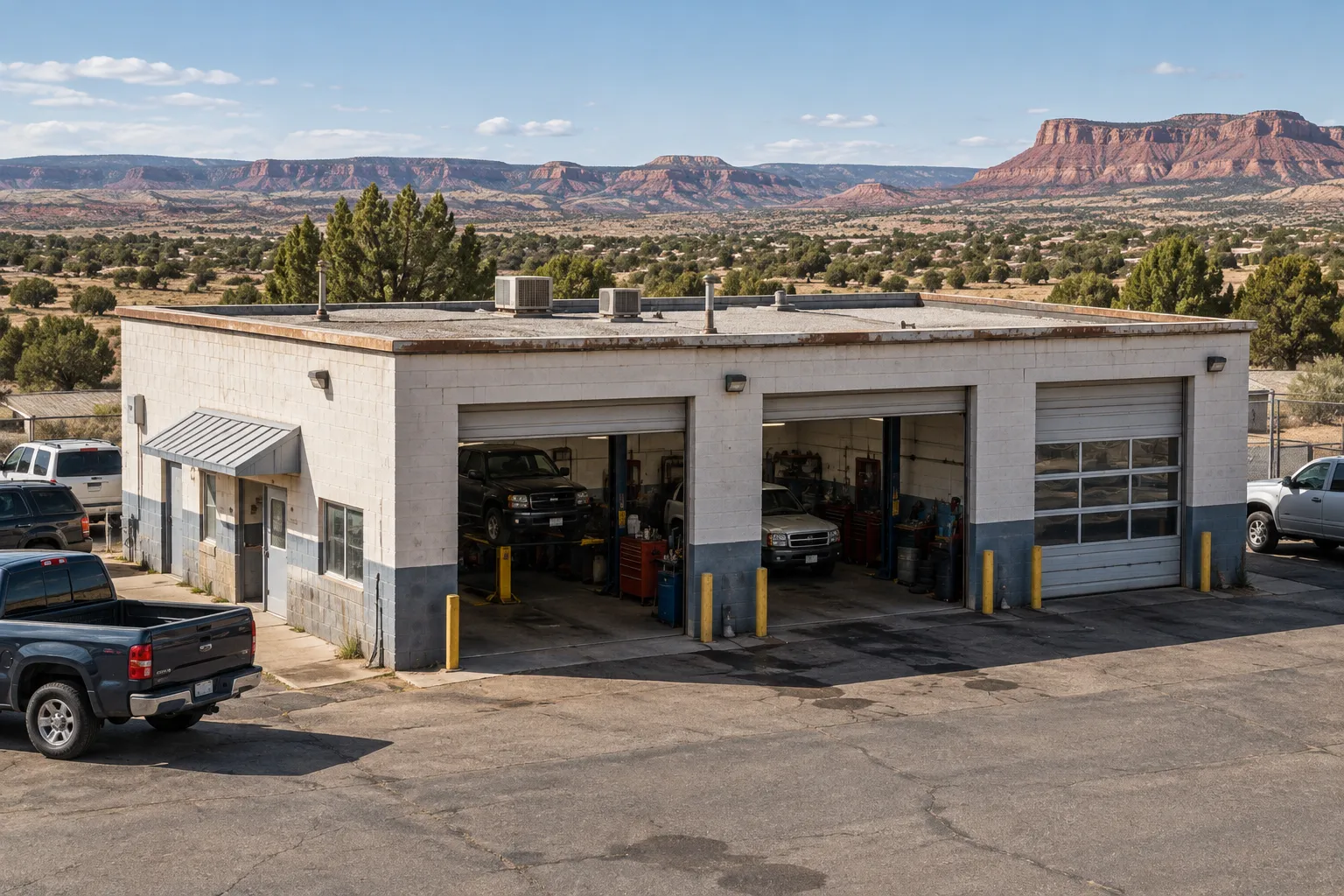
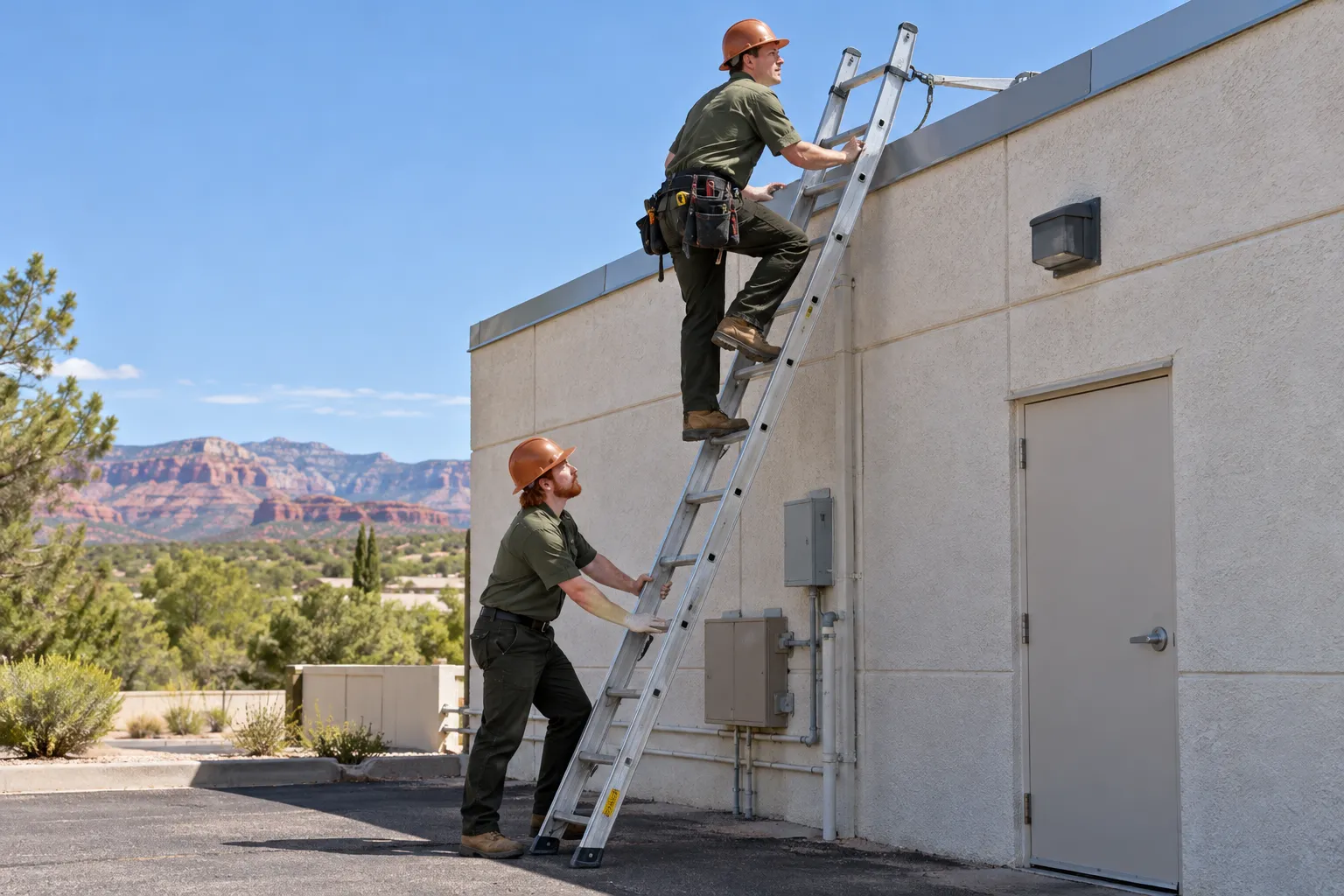
The Town of Clarkdale Building Division asks for a permit on roofing work of any size. A split lap and a loose drain ring are still roofing work, so the repair plan starts with the paperwork rather than the ladder.
Grouping every failed detail into one permitted visit keeps the roof open once instead of three times. Stopgaps hold the water until the permit is issued, and each one is logged so the permanent repair replaces it.
Single defects on a Clarkdale roof rarely travel alone. These are the small items that belong on the same permitted repair list.
A seam edge curling up where the adhesive has dried out.
One open lap usually means the laps beside it are aging too. Probing the whole run before the visit puts every weak lap on one list.
Water circling a drain bowl with the clamping ring sitting crooked.
Grit under the ring lets water slip past the membrane. Cleaning and resetting it pairs well with any seam work already planned nearby.
Hairline cracks in the flashing at the corners of a rooftop unit curb.
Corners move every time the unit cycles. Reflashing them during the same permitted visit saves reopening the roof a month later.
Rubber boots around vent pipes split near the collar or pulling away.
Boots are cheap parts with expensive leaks under them. Replacing every tired boot at once keeps them on one inspection record.
Gaps between parapet cap sections with stains running down the inside wall.
Storm water rides over the cap and into the wall. Sealing the joints belongs on the list with the roof-side flashing below them.
One planned, permitted visit protects the building below and keeps the roof history in order.
Closing every open lap at once keeps rain from soaking the boards under the membrane.
Service bays and storage rooms stay dry below curbs that no longer leak.
Each roofing permit lists the full scope, so the town record matches the work on the roof.
Bundled seam, curb, and drain repairs open the roof once instead of on three separate days.
Reset clamping rings let water leave the roof instead of ponding at the drain bowl.
Sealed coping joints keep storm water from staining the walls behind the parapet.
Before and after shots of each flashing detail show what was fixed and where.
Tight curb flashing keeps water out from under rooftop units and their duct openings.
Most Clarkdale repair lists combine membrane work with tracking down the leak that started the call.
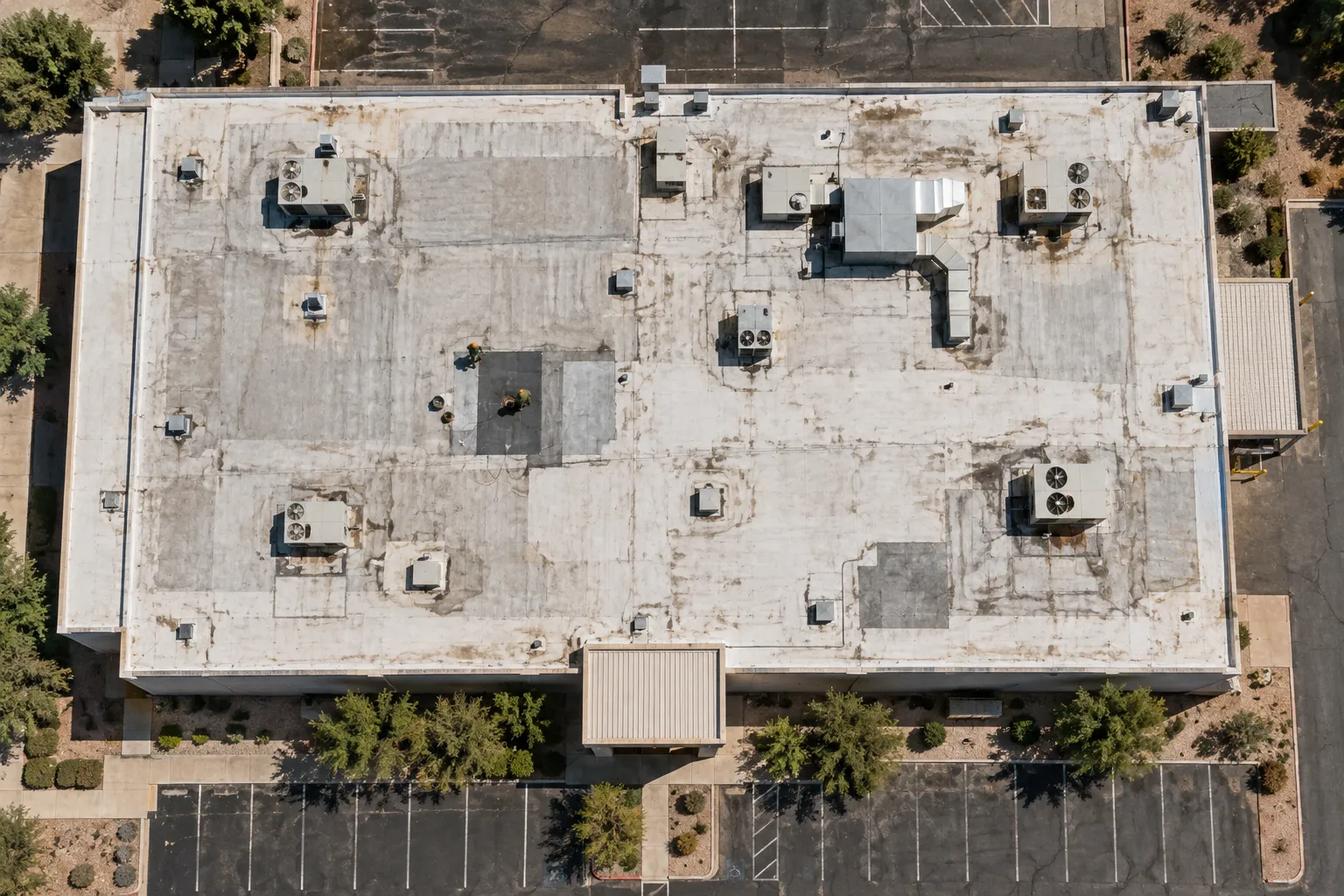
Seams, curb flashing, drain rings, and pipe boots on low-slope roofs, repaired with membrane that matches what is already there.
Flat roof repair details
Ceiling stains traced back across the roof to the failed detail, with a stopgap logged while the permit is pending.
Leak repair and tracingCall with the stain location and the roof type. A logged stopgap can slow the water now, and the permanent repair follows once the town issues the permit.
The steps below keep the roof list, the stopgaps, and the town permit lined up from the first walk to the final check.


Every seam, drain, curb, boot, and coping joint is walked and photographed, so the permit scope lists all the failed details instead of just the one that leaked first.
Ceiling stains, damp walls under the parapet, and wet stock get marked and dated, tying each interior sign to a roof detail on the list.
Seam tape over open laps and cleared drain baskets slow the leak while the application is reviewed. Each temporary fix gets a dated note.
With the permit issued, laps are re-welded or re-adhered, boots replaced, curb corners reflashed, and drain rings reset in one visit.
Marked stains and walls are checked after the next storm. Dry ceilings close out the list, and the photos go into the roof file.
Neighboring towns answer to different permit offices and see different roof problems.
Answers for owners and managers of Clarkdale shops, offices, and service buildings.
Yes. The Town of Clarkdale Building Division lists roofing work of any size as permitted work, so even a short seam repair or a reflashed curb goes through the town. Planning the repair list before applying keeps the scope accurate.
Because each trip onto the roof means another permit question, another setup, and another chance of fresh damage. Listing every open lap, boot, and drain ring during the inspection lets one permitted visit close them all.
A stopgap holds the water. Seam tape over a split lap, a cleared drain, or plastic over stock below keeps damage down, and each one is dated so the permanent repair replaces it.
Seams, drains, curbs, pipe boots, and parapet coping. Sun dries the sealant at these joints faster than the open membrane, and monsoon water finds the gaps first. Those details make up most repair lists here.
Yes, in most cases. TPO gets TPO, EPDM gets EPDM, and modified bitumen gets modified bitumen. A brittle older sheet needs extra care at the patch edge, and that condition is noted during the inspection.
With the next heavy rain. The marked ceiling stains and walls get a second look, and any detail that shows water again goes back on the list. Photos of every repaired joint stay with the roof file.
The permit, the repair list, dated photos of each detail, and the stopgap notes. That record shows the next roofer what was repaired, when, and with which material.
Share the stain location and roof type. A roofer inspects first and lists every detail that belongs in the permitted repair.
Leave a name and number and a roofing contractor will call you back about the leak or damage.
Or call now: (928) 436-4827